
Education and Training
-
![Helping a patient in the wilderness]()
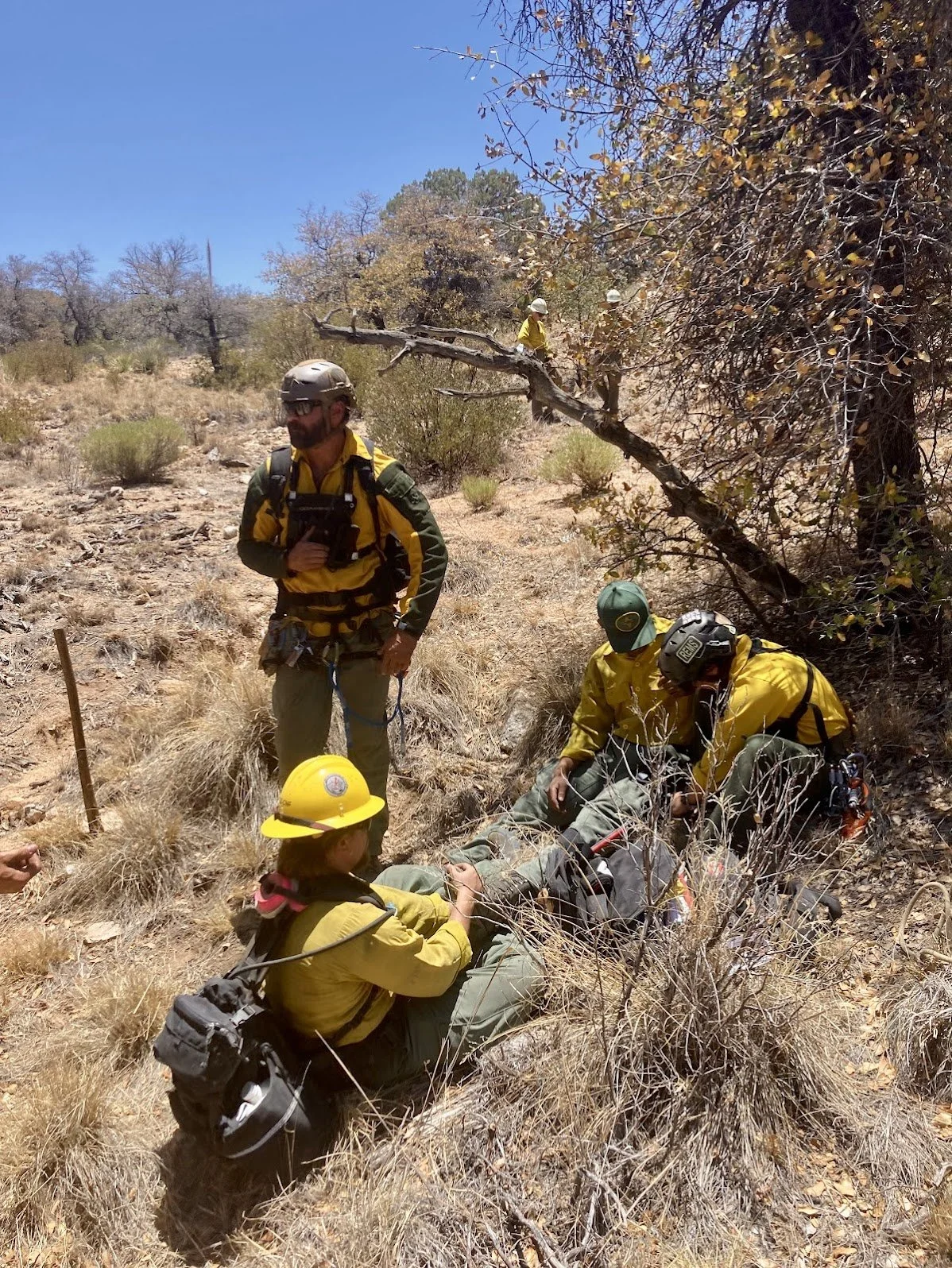
Prolonged Field Care
Designed for situations where evacuation is delayed, this training teaches how to care for critically ill or injured patients over extended periods. Participants learn patient monitoring, wound care, pain management, infection prevention, and decision-making when resources are limited and help is hours—or days—away.
-
![Team assessing trauma on a student patient]()
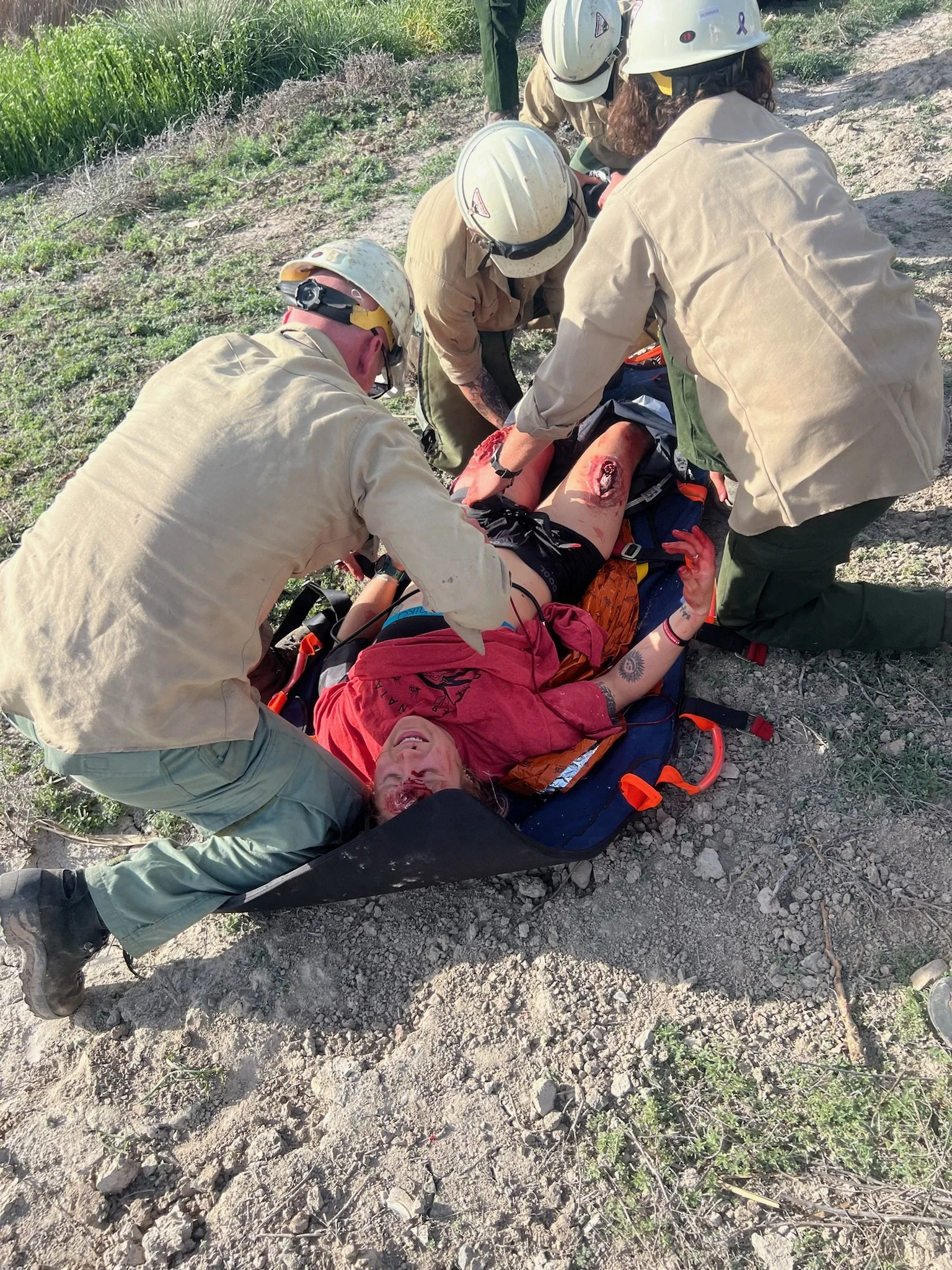
Trauma Management
Focuses on recognizing and managing life-threatening injuries in austere and remote environments. Students learn hemorrhage control, airway management, shock prevention, and rapid patient assessment using practical, hands-on scenarios designed for real-world emergencies.
-
![Rope rescue in action]()
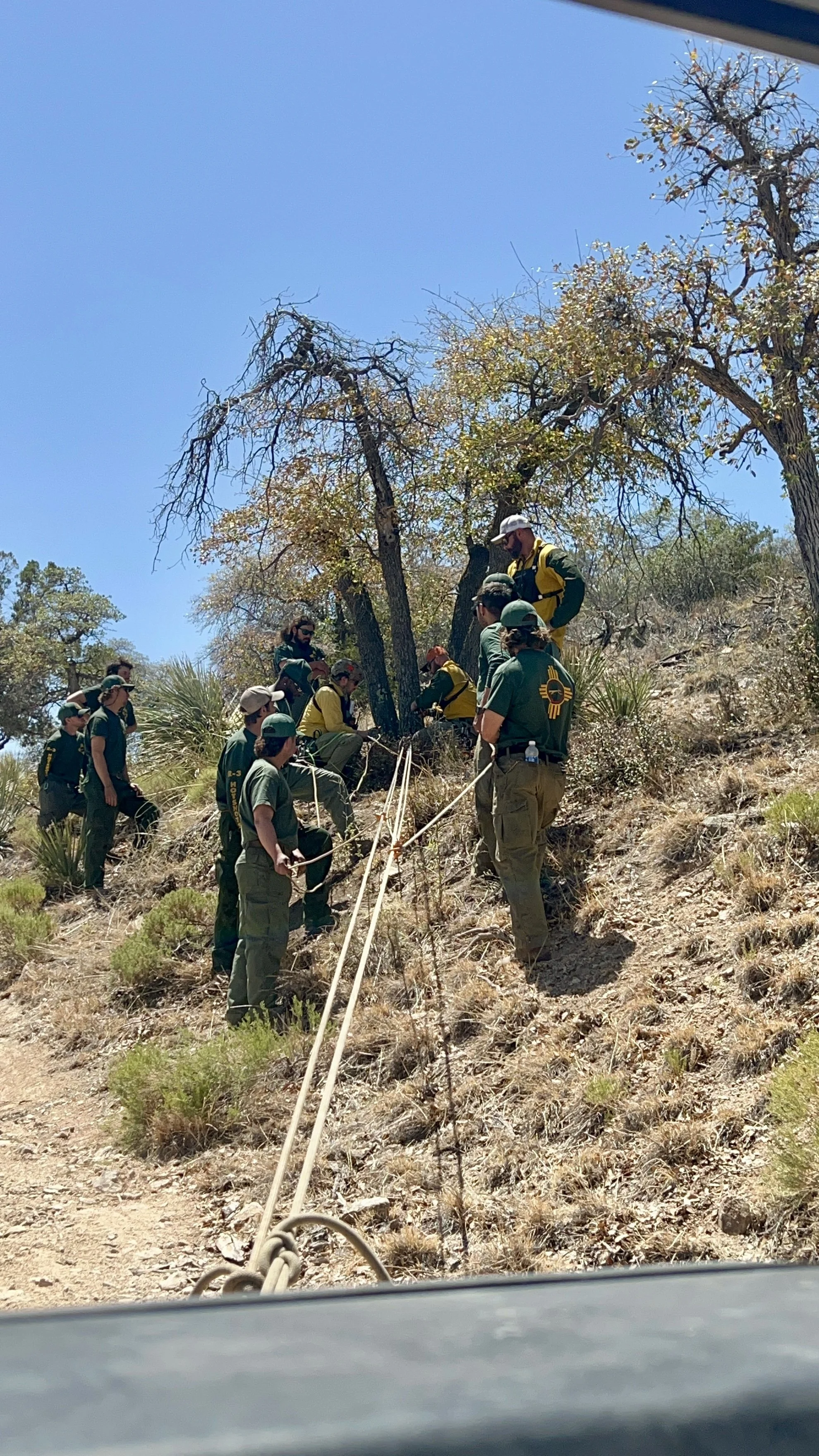
Light Rope Rescue
Introduces essential rope rescue techniques used in low-angle and simple vertical environments. Students learn basic knots, patient packaging, litter movement, and safe team operations, emphasizing practical skills for rescuing patients in challenging terrain without heavy technical systems.
-
![Prepping for CPR in the field]()
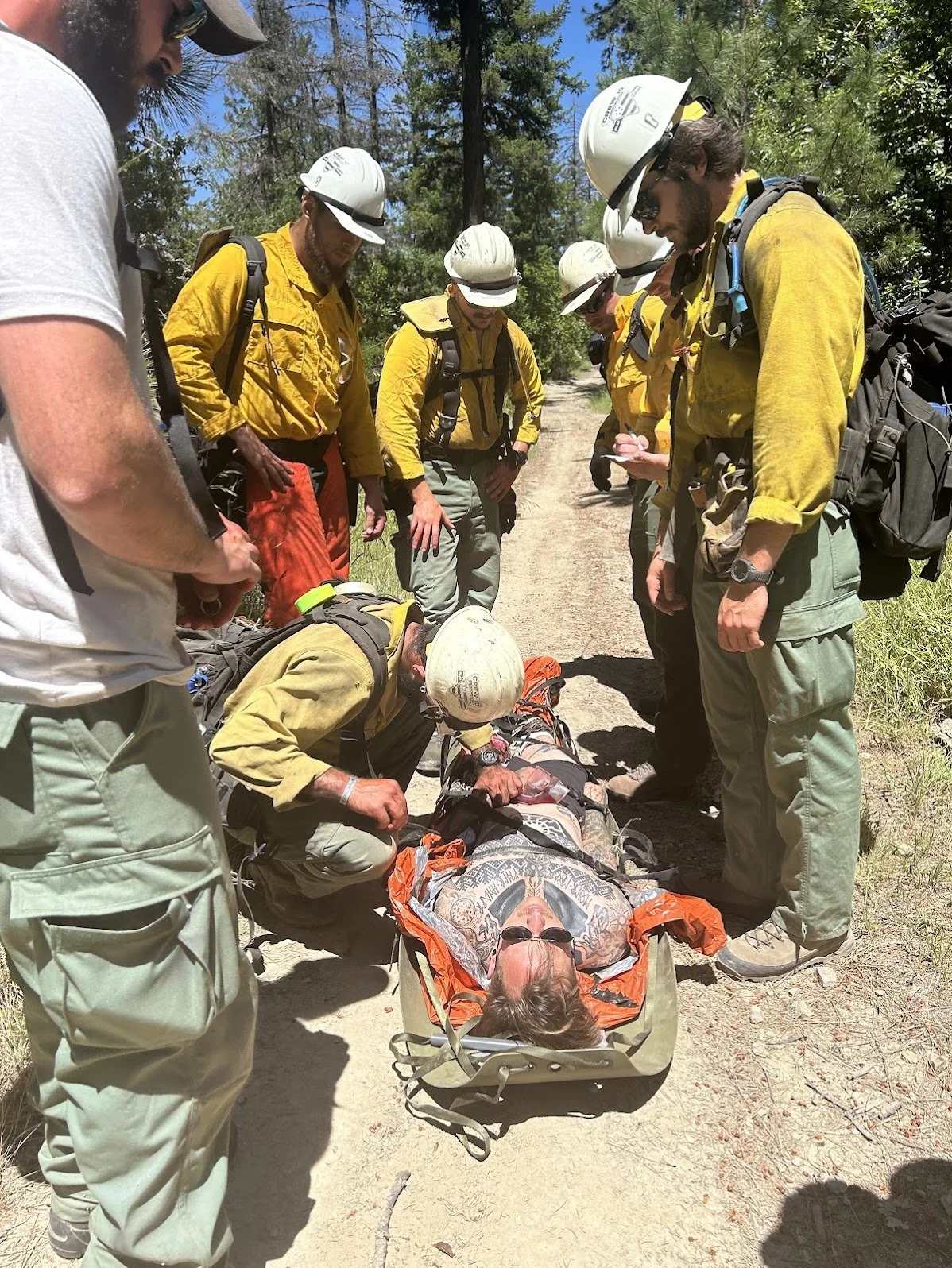
BLS (Basic Life Support) + CPR
We provide foundational life-saving skills for responding to cardiac arrest and medical emergencies. Training includes high-quality CPR, use of an AED, choking response, and basic patient assessment, preparing students to act quickly and confidently in both remote and everyday settings.
-
![Looking for Something Specific?]()
Customized Training
Looking for something specific? We offer fully customizable training tailored to your team’s environment, experience level, and mission needs. Whether you need a focused skill refresh or a comprehensive course built around real-world scenarios, we work with you to design training that fits your goals, terrain, and operational challenges.
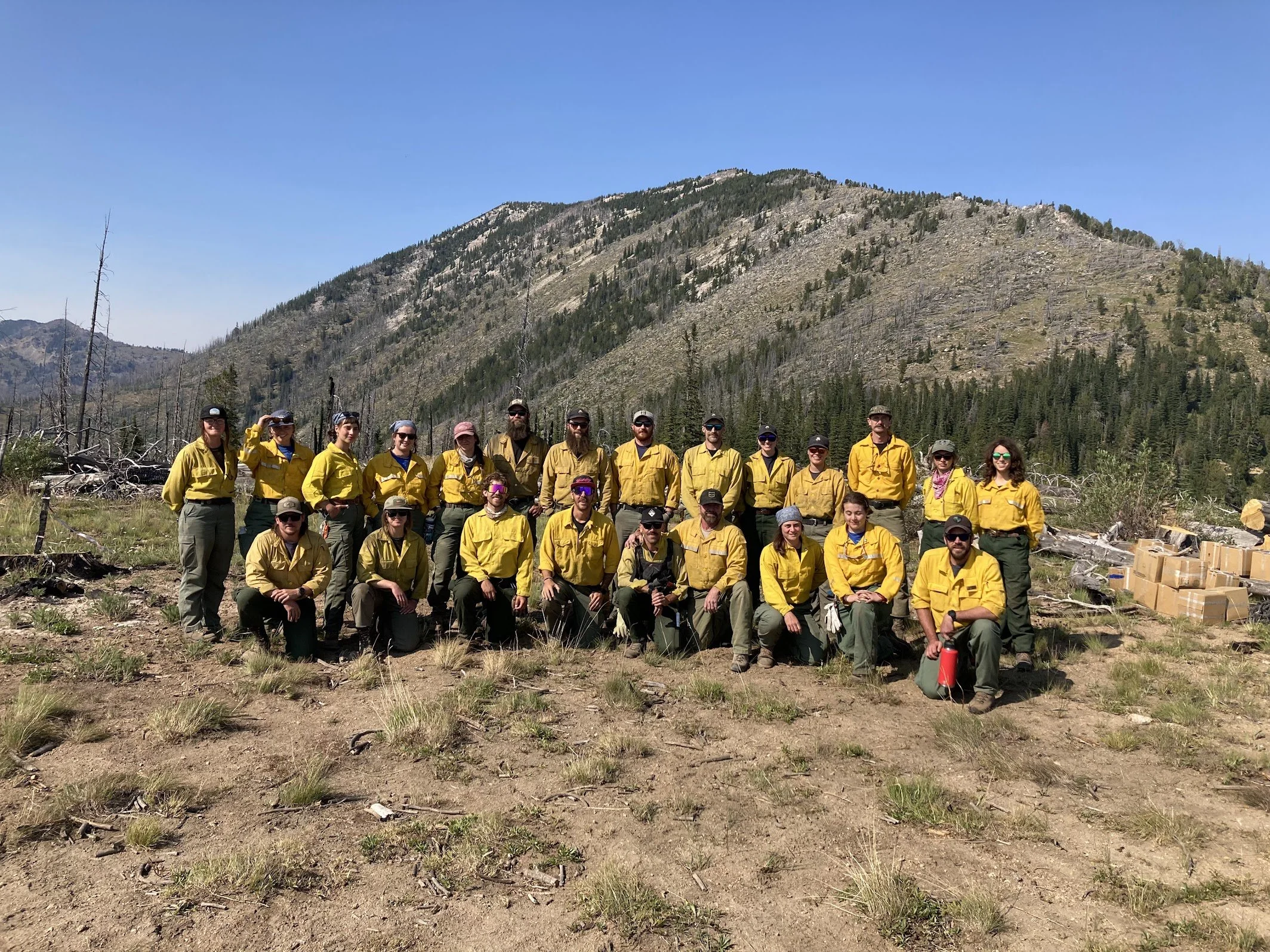
Remote Medical Rescue offers fully customizable training in CPR, major trauma management, and technical rescue, built for responders operating in remote and high-risk environments. Our scenario-based courses emphasize practice how you play, combining realistic medical moulage, hands-on rescue skills, and operational stress to mirror real-world incidents. Training is tailored to your mission, experience level, and environment, and delivered by experienced medical providers and rescue technicians to prepare teams to perform with clarity and confidence when it matters most.
Training built for your needs
Training That Makes a Difference